

Sage Green Sofa: How to Style Without Making the Room Feel Busy


Muted green sofa in a natural light living room
Sage green is the color that refuses to fade. It peaked as a trend in 2023, was pronounced dead in 2024, and came back stronger than ever in 2025. By 2026, sage green sofas are showing up in designer portfolios, magazine shoots, and real homes that want a color that feels natural without shouting. Done right, a sage green sofa anchors a room the way a neutral does, only warmer and more alive. Done wrong, it pulls every other color in the room into competition.
This guide covers how to style a sage green sofa so it grounds the room instead of overwhelming it.
The one we would pick
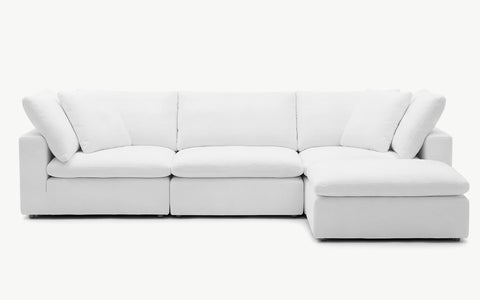
Configuration: 4-Seater Sectional


Why Sage Green Works
- It reads as neutral. Sage green is muted enough to function as a background color, not a statement color.
- It pairs with nearly everything. The natural green undertone sits comfortably next to browns, whites, and blues.
- It ages well. Unlike bright trend colors, sage green does not feel dated.
- It connects to nature. Brings outdoor associations into the room, which creates calm.
The Sage Green Spectrum
Sage green is a wide category. Within it:
- Soft sage: light, dusty, almost gray-green. Most neutral.
- Classic sage: medium depth, balanced warm-cool. Most versatile.
- Deep sage: rich, saturated, almost forest. More dramatic.
- Sage olive: warm, yellow-toned sage. Pairs with earth tones.
- Sage gray: cool, gray-heavy sage. Pairs with cool neutrals.
Pick the shade based on your room's existing palette. Warm rooms need sage olive or warm classic sage. Cool rooms need sage gray or cool classic sage.
Colors That Pair Naturally
- Warm whites and creams: the classic pairing; sage pops against soft white walls
- Terracotta and clay: warm, natural, earthy
- Brass and antique gold: metal that complements the green's warmth
- Natural wood tones: oak, walnut, teak all pair beautifully
- Dusty pink and blush: soft contrast, romantic
- Rust and burnt orange: bold contrast, fall-inspired
- Charcoal and black: ground the green with depth
Colors to Avoid
- Bright primary colors: red, blue, yellow all clash
- Mint or lime green: competes with sage's subtlety
- Neon or saturated jewel tones: sage becomes the background for chaos
- Cool chrome or stainless steel accents: fights the natural warm undertone


Materials That Complement
- Linen and boucle: texture that matches the muted tone (see our linen sofas guide)
- Leather, especially cognac and saddle: pairs with all sage shades
- Jute, sisal, and natural fiber rugs: enhance the natural palette
- Wool rugs in cream or charcoal: tonal depth under the green
- Natural stone and ceramic: for coffee tables and accent pieces
Why owners pick Sofatica
Washable Slipcovers
100% Real Goose Down
Module Secure™ Lock
Adjustable Cushion Fill
Wall Colors
Sage green sofas look best against:
- Warm white or cream walls: the most common and most forgiving
- Soft greige or warm gray: allows the sage to be the color focus
- Deep terracotta or clay walls: dramatic warm contrast
- Charcoal or deep green walls: monochrome drama (see our monochrome living room guide)
Avoid bright white (feels clinical next to sage), cool gray (fights the warm undertone), and any saturated color on the walls.
Styling by Design Aesthetic
- Modern farmhouse: sage sofa, cream walls, natural wood, brass accents
- Japandi: soft sage sofa, pale wood, black accents, minimal decor
- Coastal grandmother: sage sofa, white walls, rattan, linen
- Modern traditional: deep sage sofa, cream walls, antique wood, gold accents
- Maximalist eclectic: sage sofa layered with patterned rugs and mixed metals
For color strategy across rooms, see our neutral living room ideas and earth tone living room guide.
Lighting for Sage Green
Warm lighting (2700K) brings out the warmth in sage. Cool lighting (4000K+) makes sage read as more gray-green. Three light sources at different heights prevent sage from looking flat or murky in dim lighting.
Sage Green Cloud Couches
Sofatica offers cloud couches in sage and olive tones that pair naturally with warm neutrals, natural wood, and vintage accents. Made with performance fabric for daily use.
Shop Sage Cloud CouchesFAQ
Is sage green still trendy in 2026?
What wall color works best with a sage green sofa?
Does sage green go with brown furniture?
Can I pair sage green with navy?
What is the best way to style a sage green sofa?
Built for Real Life
Every Sofatica ships free, arrives in modular pieces you can carry upstairs alone, and comes with covers you can throw in the wash.


